
Parasite Treatment
Commonly treated with Ivermectin & Mebendazole Combination Capsule




Parasite treatment for adults is usually a short course of oral antiparasitic medication prescribed after provider review, with childrens dosing set case-by-case. A parasitic infection happens when worms like pinworms (threadworms), roundworms, whipworms, or hookworms live in the intestines and feed off the body. Symptoms range from itching and stomach upset to none at all, so infections often go unnoticed. Prescription medication can help get rid of intestinal parasites and clear most infections, though your provider will determine the right option for you.
Select Your Treatments *
How It Works
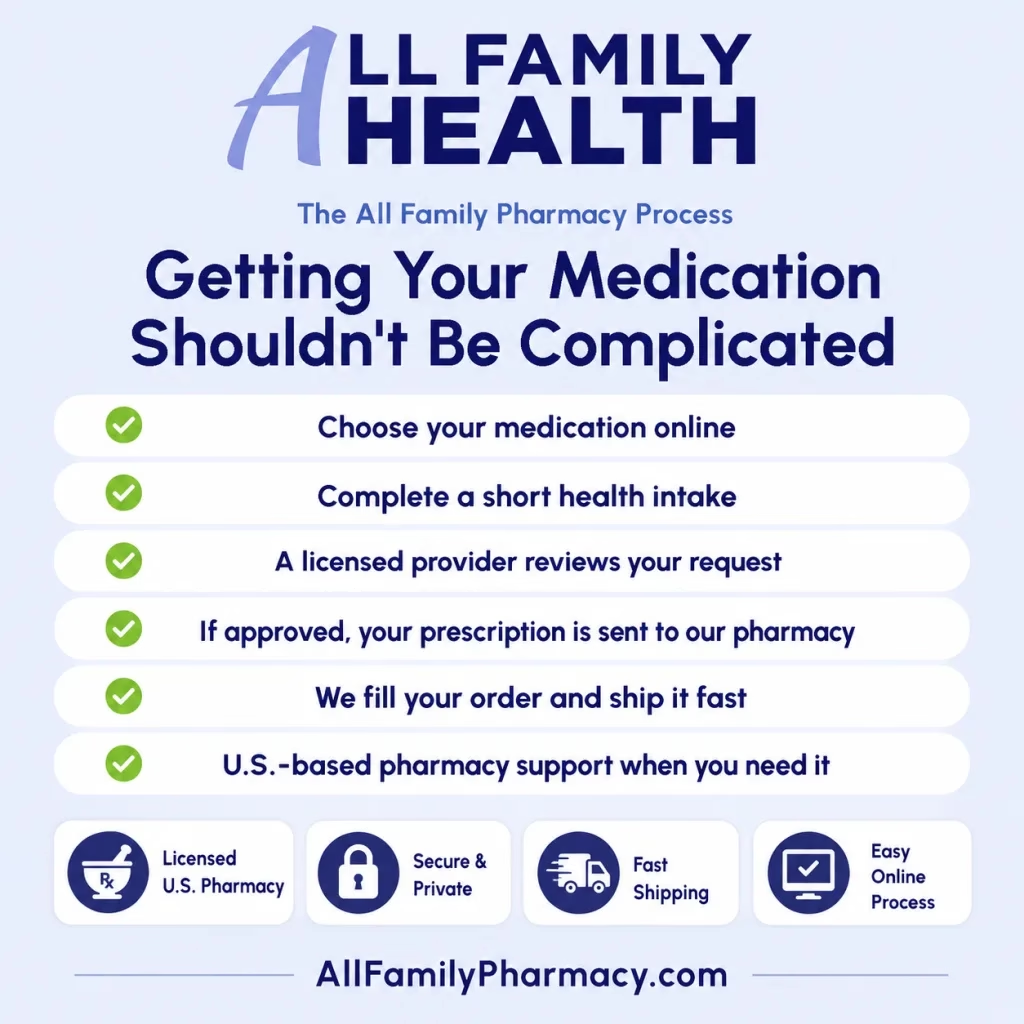
- Select your medication
- Licensed providers review & prescribe
- Our licensed U.S. pharmacists fill your prescription
- Delivered to you as soon as the next day
Your selection (1): $0.00
HSA/FSA Eligible*Doctor visit fee & delivery cost not included in price. Refills at provider discretion.
Order Parasite Treatment for Humans Online
Medically reviewed by David Paul Mackarey, RPh, Pharmacist-in-Charge — Last updated July 14, 2026
Choosing and Using Your Treatment
| Treatment | Choose this if… | How to Take |
|---|---|---|
| Ivermectin/Mebendazole 18mg/200mg | if you weigh less than 200 lbs. | Take 1 capsule by mouth twice daily. |
| Ivermectin/Mebendazole 25mg/250mg | if you weigh more than 200 lbs. | Take 1 capsule by mouth twice daily. |
About Parasite Treatment (Intestinal worms (helminthiasis))
Ivermectin and mebendazole are oral antiparasitic (anthelmintic) medications that target worms and parasites living in the digestive tract. Ivermectin paralyzes many parasites so the body can clear them, while mebendazole starves common intestinal worms by blocking their ability to absorb nutrients. A compounded ivermectin/mebendazole combination pairs both mechanisms in one regimen for broader coverage when a provider determines it is appropriate.
Signs & symptoms
- Itching around the anus, often worse at night
- Stomach pain, cramps, or general belly discomfort
- Nausea, loss of appetite, or unexplained weight loss
- Visible worms in the stool or around the bottom
- Diarrhea or loose stools that won't clear up
- Restless sleep, especially in children
- Feeling tired or run down for no clear reason
Causes & risk factors
- Swallowing parasite eggs from contaminated hands or food
- Walking barefoot on soil where hookworm larvae live
- Eating undercooked meat or unwashed fruits and vegetables
- Drinking untreated water from lakes, streams, or wells
- Close contact with an infected household member
- Poor handwashing after using the bathroom
- Travel to regions where parasites are common
Prevention
- Wash hands thoroughly with soap after using the toilet
- Keep fingernails short and avoid scratching the anal area
- Wash bedding, pajamas, and underwear in hot water
- Rinse and cook fruits, vegetables, and meat properly
- Treat all household members together to prevent reinfection
- Wear shoes outdoors where soil may be contaminated
When to see a doctor
Mild to moderate parasite infections are well suited to online treatment — a licensed provider reviews your symptoms and health history and, when appropriate, prescribes an antiparasitic medication without an in-person visit. You should be seen in person if you have a high fever, significant blood in your stool, severe abdominal pain, persistent vomiting, or signs of dehydration, or if symptoms last beyond a couple of weeks or keep returning after treatment. In-person care is also important if you are pregnant or breastfeeding, have a weakened immune system, or are treating a young child, since medication choice and dosing need extra care. Severe pain, high fever, or bloody stools should be evaluated promptly, as they can signal a heavier infection or another condition that needs testing.
Sources & References
Frequently Asked Questions
What treatments are available?
So many.
Treatments for Parasite Treatment
Find out more information about each treatment.