

Diclofenac 3% Gel
Generic For: Voltaren Gel





Diclofenac 3% Gel is a prescription topical NSAID applied directly to the skin to treat actinic keratosis — rough, scaly patches caused by sun damage. After a licensed provider reviews your health information and confirms a valid prescription, your order ships discreetly from a licensed U.S. pharmacy.
Compare all Diclofenac options →
Select Quantity *
60-day supply · $0.60/gram
How It Works
- Select your medication
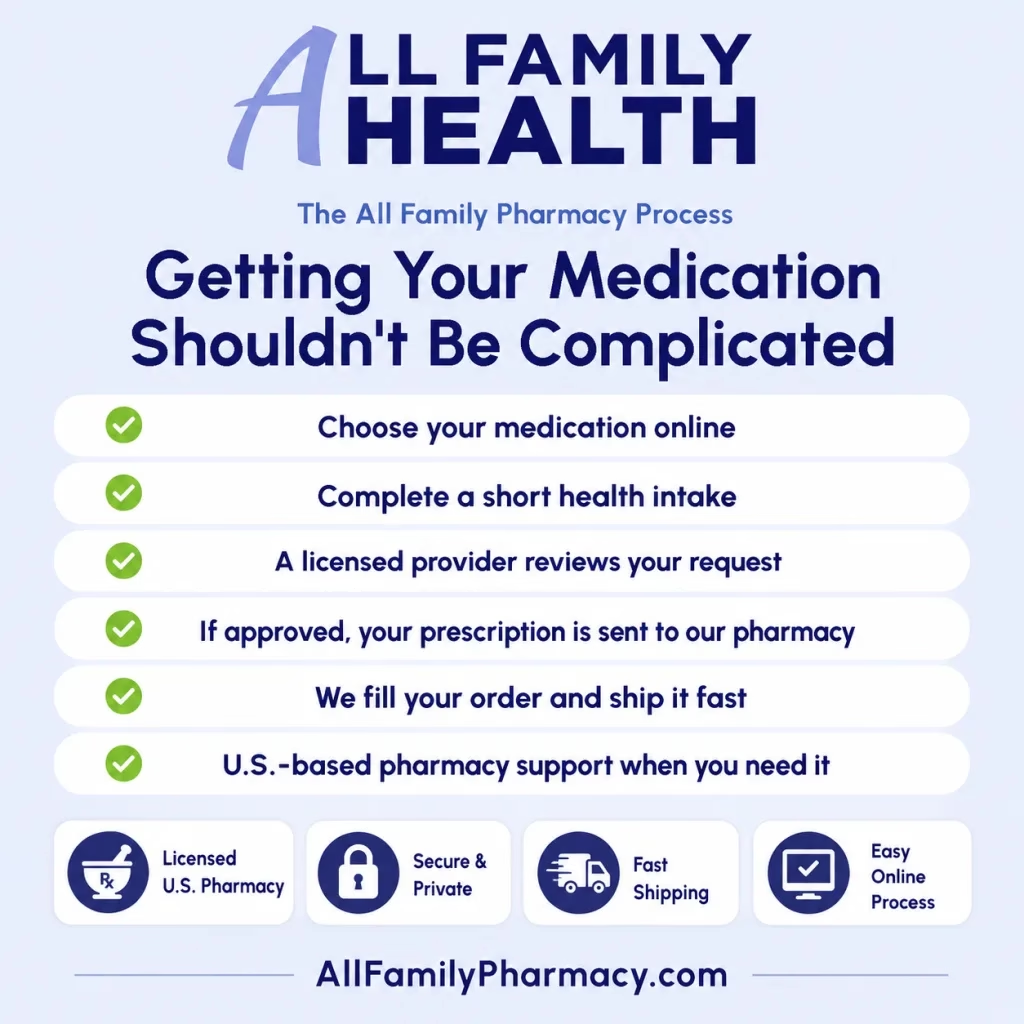
- Licensed providers review & prescribe
- Our licensed U.S. pharmacists fill your prescription
- Delivered to you as soon as the next day
Price: $60.00
HSA/FSA Eligible*Doctor visit fee & delivery cost not included in price. Refills at provider discretion.
Pharmacist Support
Fast Shipping
Licensed U.S. Pharmacy
Buy Diclofenac 3% Gel Online
A topical NSAID (nonsteroidal anti-inflammatory) gel used to treat actinic keratosis on sun-damaged skin
Diclofenac 3% Gel Quick Facts
| Drug class | Topical NSAID |
|---|---|
| Treats | Actinic keratosis, sun-damaged skin lesions |
| Form | Gel |
| Typical dosing | Apply a pea sized amount to affected area topically 2-4 times daily as needed for pain. |
| Prescription required | Yes — prescription only |
What Is Diclofenac 3% Gel?
Diclofenac 3% Gel is a prescription-strength topical nonsteroidal anti-inflammatory drug (NSAID). It is applied directly to areas of skin affected by actinic keratosis, a precancerous condition caused by long-term sun exposure. Unlike lower-strength diclofenac gels sold over the counter for joint pain, the 3% strength is FDA-approved specifically for treating actinic keratoses. Treatment typically continues for 60 to 90 days, and full improvement may not be seen until up to 30 days after finishing the course.
What Does Diclofenac 3% Gel Treat?
Actinic keratosis (precancerous, sun-damaged skin lesions)
Actinic keratoses on the face
Actinic keratoses on the scalp
Actinic keratoses on the arms and hands
Other sun-exposed skin areas with actinic keratoses, as directed by your provider
Diclofenac 3% Gel Dosage
Apply enough gel to cover each lesion; smooth in gently, topically, twice daily.
Usual amount: 0.5 g per 5 cm x 5 cm lesion area.
Usual duration: 60 to 90 days as directed.
Your prescriber will determine the dose and duration that are right for you. Always follow the directions on your prescription label.
Diclofenac 3% Gel Side Effects
Common side effects
- Dry skin at application site
- Itching (pruritus)
- Redness or irritation
- Rash or scaling
- Contact dermatitis
- Skin tingling or numbness (paresthesia)
- Application site pain
Serious side effects
Stop taking this medication and seek medical attention right away if you experience:
- Severe allergic reaction (hives, swelling of face or throat, trouble breathing)
- Severe skin reactions (blistering, peeling, ulceration)
- Signs of liver problems (yellowing skin or eyes, dark urine, unusual fatigue)
- Chest pain, weakness, or slurred speech (possible heart attack or stroke)
- Signs of stomach bleeding (black stools, vomiting blood)
- Worsening asthma or wheezing
Warnings & Interactions
NSAIDs may increase the risk of serious cardiovascular events, including heart attack and stroke
NSAIDs may increase the risk of serious gastrointestinal bleeding and ulcers
Do not use if you have had asthma, hives, or allergic reactions to aspirin or other NSAIDs
Avoid use on open wounds, infected skin, eyes, and mucous membranes
Minimize sun exposure and avoid tanning during treatment
Avoid use during pregnancy at 20 weeks or later unless directed by a provider
Use caution when combining with oral NSAIDs, anticoagulants, or other blood thinners
Tell your prescriber about all medications, supplements, and health conditions before starting diclofenac 3% gel.


Talk to U.S.-Based Support
Our licensed pharmacy team in Boca Raton, Florida — real people, no overseas call centers.