

Clindamycin 300mg
Generic For: Cleocin





Clindamycin 300mg (brand name Cleocin) is a prescription lincosamide antibiotic used to treat serious bacterial infections, including skin and soft tissue infections, respiratory tract infections, and dental infections. Many patients comparing clindamycin vs amoxicillin are prescribed clindamycin when penicillin-class antibiotics aren't suitable. After a licensed provider reviews your prescription, your order ships from a licensed U.S. pharmacy.
Compare all Clindamycin options →
Select Quantity *
10-day supply · $0.67/tablet
How It Works
- Select your medication
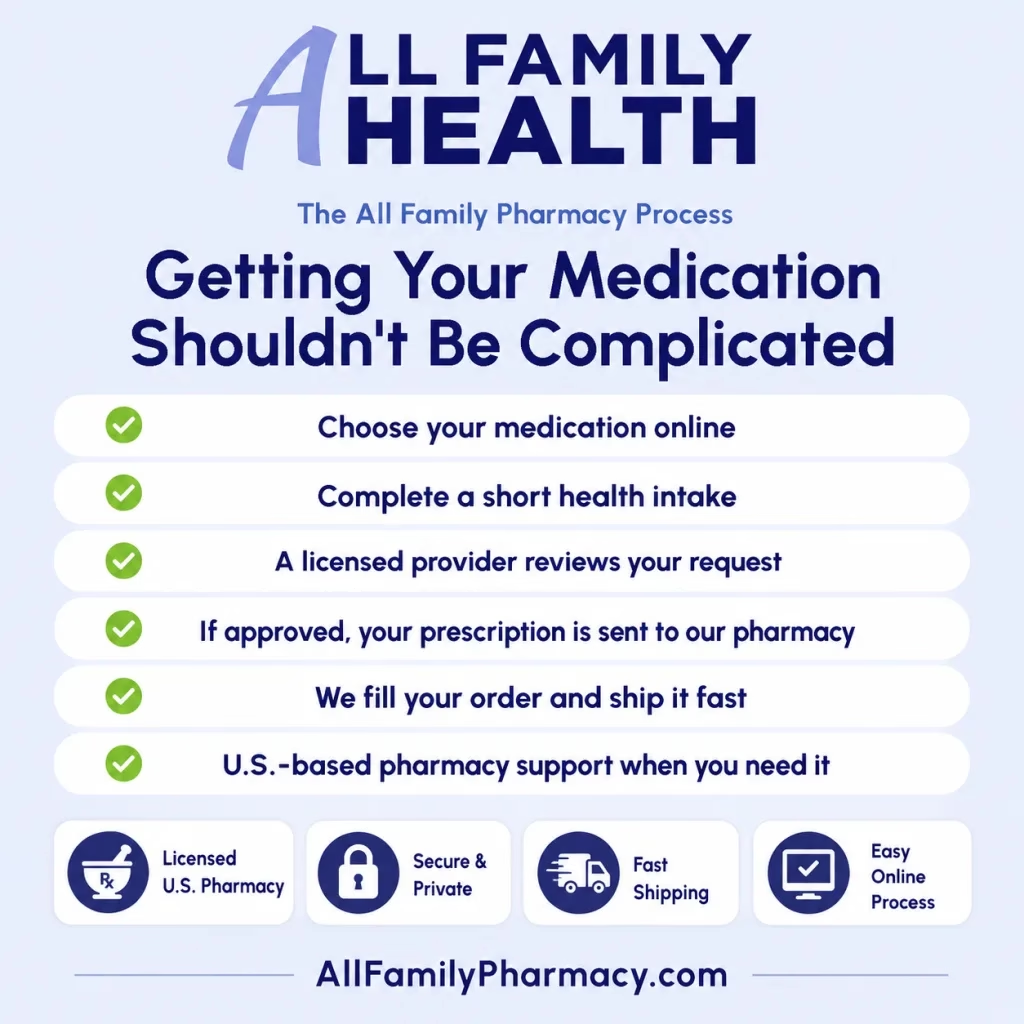
- Licensed providers review & prescribe
- Our licensed U.S. pharmacists fill your prescription
- Delivered to you as soon as the next day
Price: $20.00
HSA/FSA Eligible*Doctor visit fee & delivery cost not included in price. Refills at provider discretion.
Pharmacist Support
Fast Shipping
Licensed U.S. Pharmacy
Buy Clindamycin 300mg (Cleocin) Online
A lincosamide antibiotic for serious skin, respiratory, and dental infections
Clindamycin 300mg Quick Facts
| Drug class | Lincosamide antibiotic |
|---|---|
| Treats | Skin infections, respiratory infections, dental infections, bone infections |
| Form | Capsule |
| Typical dosing | Take 1 capsule by mouth every 6-8 hours for 10 days. |
| Prescription required | Yes — prescription only |
What Is Clindamycin 300mg?
Clindamycin is a lincosamide antibiotic that works by stopping bacteria from making the proteins they need to grow. It is FDA-approved for serious infections caused by susceptible anaerobic bacteria and certain strains of streptococci, staphylococci, and pneumococci. In the frequently searched clindamycin vs amoxicillin comparison, the two drugs belong to different antibiotic classes and cover different bacteria, so neither is universally stronger — the right choice depends on the infection and your allergy history. Clindamycin is often used for patients who cannot take penicillin-type antibiotics.
What Does Clindamycin 300mg Treat?
Serious skin and skin structure infections
Lower respiratory tract infections, including pneumonia
Severe dental and odontogenic infections
Bone and joint infections, including osteomyelitis
Intra-abdominal infections, such as peritonitis and abscess
Gynecologic infections, including pelvic inflammatory disease
Septicemia caused by susceptible organisms
Clindamycin 300mg Dosage
Serious infections: 150–300 mg by mouth every 6 hours.
More severe infections: 300–450 mg by mouth every 6 hours.
Take with a full glass of water; duration as directed by your prescriber.
Your prescriber will determine the dose and duration that are right for you. Always follow the directions on your prescription label.
Clindamycin 300mg Side Effects
Common side effects
- Nausea
- Vomiting
- Diarrhea
- Abdominal pain
- Skin rash or itching
- Metallic or unpleasant taste
- Esophageal irritation or heartburn
Serious side effects
Stop taking this medication and seek medical attention right away if you experience:
- Severe or persistent diarrhea (possible C. difficile colitis)
- Severe skin reactions (blistering, peeling, rash with fever)
- Allergic reaction: swelling of face, lips, or throat; difficulty breathing
- Yellowing of skin or eyes (jaundice)
- Unusual bleeding or bruising
- Severe abdominal cramping with blood or mucus in stool
Warnings & Interactions
Boxed warning: risk of Clostridioides difficile-associated diarrhea and colitis, which can be severe or fatal
Do not use if allergic to clindamycin or lincomycin
Use caution with a history of gastrointestinal disease, especially colitis
May enhance the effects of neuromuscular blocking agents
Avoid concurrent use with erythromycin (antagonism)
Swallow capsules with a full glass of water to avoid esophageal irritation
Tell your provider about all medications and about pregnancy or breastfeeding
Tell your prescriber about all medications, supplements, and health conditions before starting clindamycin 300mg.


Talk to U.S.-Based Support
Our licensed pharmacy team in Boca Raton, Florida — real people, no overseas call centers.