

Allopurinol 100mg
Generic For: Zyloprim


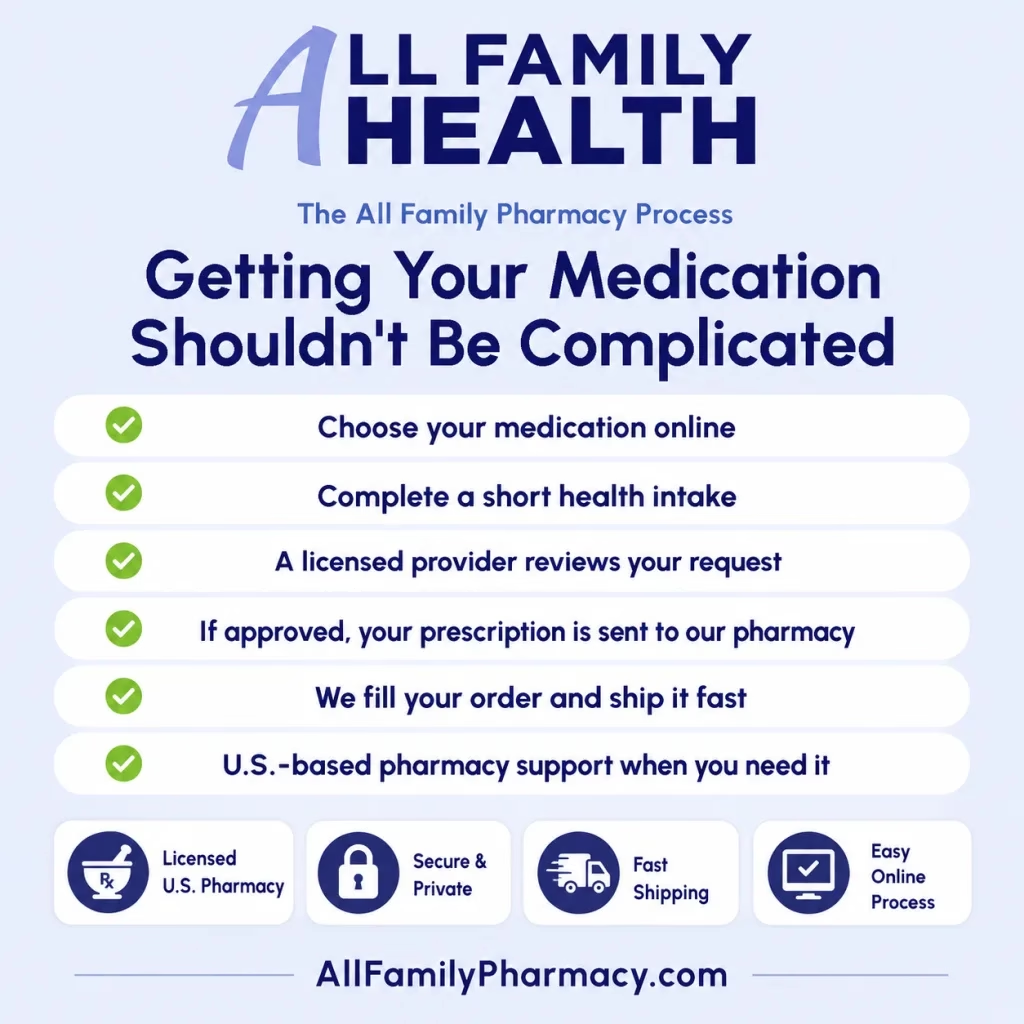



Allopurinol (brand name Zyloprim) is a prescription xanthine oxidase inhibitor that lowers uric acid levels in the blood. It is used to manage gout, hyperuricemia caused by cancer treatment, and recurrent calcium oxalate kidney stones. After a licensed provider reviews your prescription, your order ships from a licensed U.S. pharmacy.
Compare all Allopurinol options →
Select Quantity *
100-day supply · $0.20/tablet
How It Works
- Select your medication
- Licensed providers review & prescribe
- Our licensed U.S. pharmacists fill your prescription
- Delivered to you as soon as the next day
Price: $20.00
HSA/FSA Eligible*Doctor visit fee & delivery cost not included in price. Refills at provider discretion.
Pharmacist Support
Fast Shipping
Licensed U.S. Pharmacy
Buy Allopurinol 100mg Tablets Online
A xanthine oxidase inhibitor for gout, high uric acid levels, and certain kidney stones
Allopurinol 100mg Quick Facts
| Drug class | Xanthine oxidase inhibitor |
|---|---|
| Treats | Gout, high uric acid, recurrent kidney stones |
| Form | Tablet |
| Typical dosing | Take 1 tablet by mouth daily as needed for gout. |
| Prescription required | Yes — prescription only |
What Is Allopurinol 100mg?
Allopurinol is a prescription medication that reduces the amount of uric acid your body produces. It works by blocking xanthine oxidase, the enzyme responsible for making uric acid. Doctors prescribe allopurinol to manage gout, to prevent high uric acid levels during cancer treatment, and to help prevent certain recurrent kidney stones. It is a long-term maintenance medication and does not relieve an acute gout attack once one has started.
What Does Allopurinol 100mg Treat?
Management of gout (gouty arthritis and tophi)
Hyperuricemia associated with cancer chemotherapy (leukemia, lymphoma, solid tumors)
Prevention of recurrent calcium oxalate kidney stones in patients with hyperuricosuria
Long-term reduction of elevated blood uric acid levels
Allopurinol 100mg Dosage
Gout: Start 100 mg by mouth once daily; increase by 100 mg weekly as needed. Usual maintenance 200–300 mg/day (mild) or 400–600 mg/day (severe); max 800 mg/day.
Recurrent kidney stones: 200–300 mg by mouth daily in single or divided doses.
Doses above 300 mg/day should be given in divided doses; reduce dose in renal impairment.
Your prescriber will determine the dose and duration that are right for you. Always follow the directions on your prescription label.
Allopurinol 100mg Side Effects
Common side effects
- Skin rash
- Nausea
- Diarrhea
- Drowsiness
- Upset stomach
- Increased gout flares when starting treatment
- Elevated liver enzymes
Serious side effects
Stop taking this medication and seek medical attention right away if you experience:
- Severe skin reactions (Stevens-Johnson syndrome, toxic epidermal necrolysis)
- Allopurinol hypersensitivity syndrome (fever, rash, organ involvement)
- Liver injury (jaundice, dark urine, abdominal pain)
- Unusual bleeding, bruising, or signs of low blood counts
- Severe allergic reaction (swelling of face, lips, or throat; difficulty breathing)
Warnings & Interactions
Stop taking allopurinol at the first sign of a skin rash and contact your provider immediately
Do not use if you have had a prior severe reaction to allopurinol
Dose adjustment required in kidney impairment
Major interaction: azathioprine and mercaptopurine (doses must be substantially reduced)
Increased rash risk with ampicillin or amoxicillin
May increase bleeding risk with warfarin; monitoring recommended
Drink plenty of fluids to maintain adequate urine output
Tell your prescriber about all medications, supplements, and health conditions before starting allopurinol 100mg.
Sources & References
More in Gout
Search all 4 Gout medications →

Talk to U.S.-Based Support
Our licensed pharmacy team in Boca Raton, Florida — real people, no overseas call centers.