

Omeprazole 40mg
Generic For: Prilosec





Omeprazole 40mg (brand name Prilosec) is a proton pump inhibitor that reduces stomach acid to treat GERD, erosive esophagitis, and ulcers. Many people comparing famotidine vs omeprazole find that omeprazole offers longer-lasting acid suppression for chronic conditions. After a licensed provider reviews your information, your prescription ships from a licensed U.S. pharmacy.
Compare all Omeprazole options →
Select Quantity *
30-day supply · $0.50/capsule
How It Works
- Select your medication
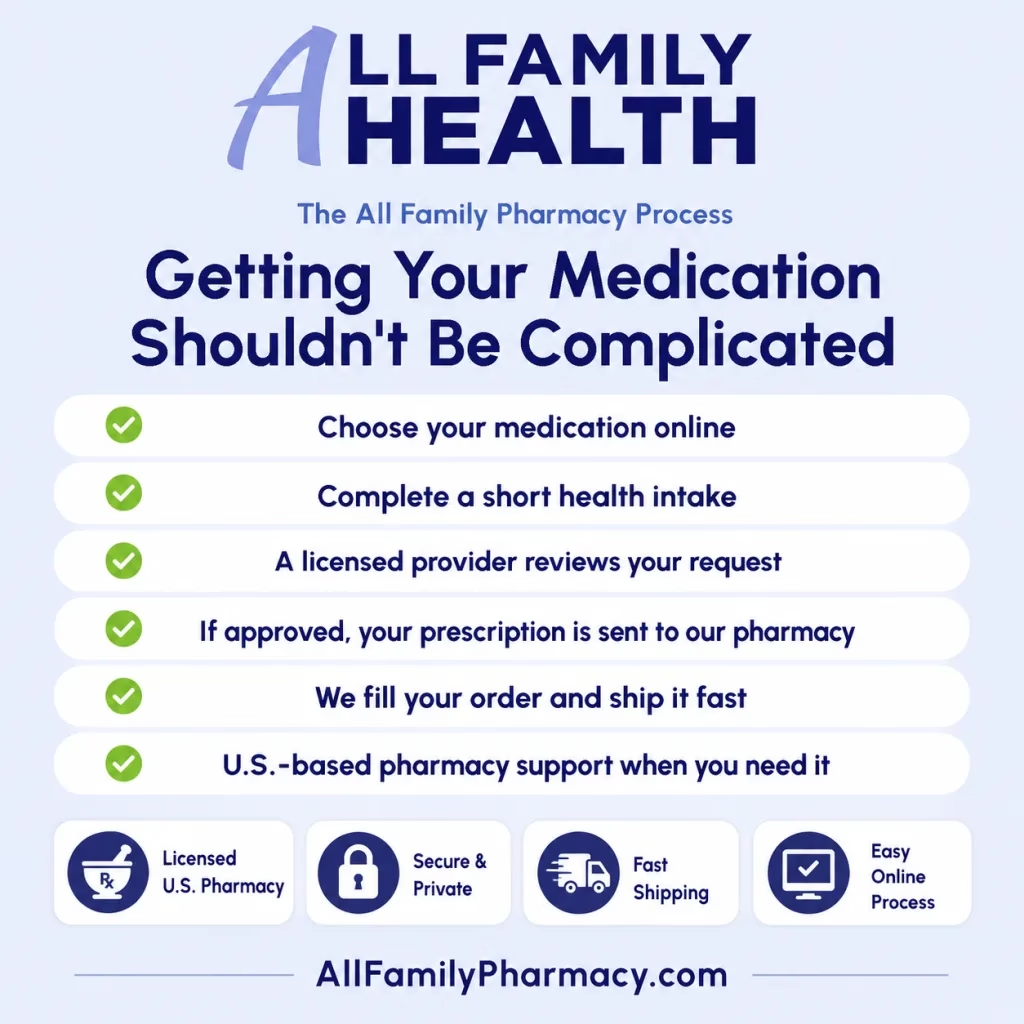
- Licensed providers review & prescribe
- Our licensed U.S. pharmacists fill your prescription
- Delivered to you as soon as the next day
Price: $15.00
HSA/FSA Eligible*Doctor visit fee & delivery cost not included in price. Refills at provider discretion.
Pharmacist Support
Fast Shipping
Licensed U.S. Pharmacy
Buy Omeprazole 40mg Online
Proton pump inhibitor (PPI) for GERD, erosive esophagitis, and stomach ulcers
Omeprazole 40mg Quick Facts
| Drug class | Proton pump inhibitor (PPI) |
|---|---|
| Treats | GERD, erosive esophagitis, stomach ulcers, H. pylori infection |
| Form | Capsule |
| Typical dosing | Take 1 capsule by mouth daily one hour before a meal as needed for acid reflux. |
| Prescription required | Yes — prescription only |
What Is Omeprazole 40mg?
Omeprazole is a proton pump inhibitor (PPI) that blocks the enzyme in the stomach lining responsible for producing acid. It is used to treat gastroesophageal reflux disease (GERD), erosive esophagitis, and gastric and duodenal ulcers. Unlike famotidine, an H2 blocker that works within about an hour, omeprazole builds up over 1 to 4 days but provides stronger, longer-lasting acid suppression. It is available as the brand Prilosec and as a generic, in delayed-release capsule form.
What Does Omeprazole 40mg Treat?
Gastroesophageal reflux disease (GERD)
Erosive esophagitis (treatment and maintenance of healing)
Gastric (stomach) ulcers
Duodenal ulcers
H. pylori eradication (in combination with antibiotics)
Pathological hypersecretory conditions (e.g., Zollinger-Ellison syndrome)
Omeprazole 40mg Dosage
GERD: 20 mg by mouth once daily for up to 4 weeks
Erosive esophagitis: 20 mg by mouth once daily for 4–8 weeks
Gastric ulcer: 40 mg by mouth once daily for 4–8 weeks
Your prescriber will determine the dose and duration that are right for you. Always follow the directions on your prescription label.
Omeprazole 40mg Side Effects
Common side effects
- Headache
- Abdominal pain
- Nausea
- Diarrhea
- Vomiting
- Gas (flatulence)
- Dizziness
Serious side effects
Stop taking this medication and seek medical attention right away if you experience:
- Severe diarrhea (possible C. difficile infection)
- Kidney problems (acute interstitial nephritis)
- Low magnesium levels (muscle spasms, irregular heartbeat, seizures)
- Bone fractures with long-term high-dose use
- Severe skin reactions or lupus-like symptoms
- Signs of allergic reaction (rash, swelling, trouble breathing)
Warnings & Interactions
Do not use if allergic to omeprazole or other PPIs
Avoid with rilpivirine-containing HIV medications
May interact with clopidogrel, reducing its effectiveness
Long-term use may cause vitamin B12 deficiency and low magnesium
May increase risk of bone fractures with prolonged use
Can mask symptoms of gastric cancer; tell your provider about alarm symptoms
Interacts with warfarin, methotrexate, diazepam, and St. John's wort
Tell your prescriber about all medications, supplements, and health conditions before starting omeprazole 40mg.


Talk to U.S.-Based Support
Our licensed pharmacy team in Boca Raton, Florida — real people, no overseas call centers.